
The Future of Web Design in 2026: Trends to Watch
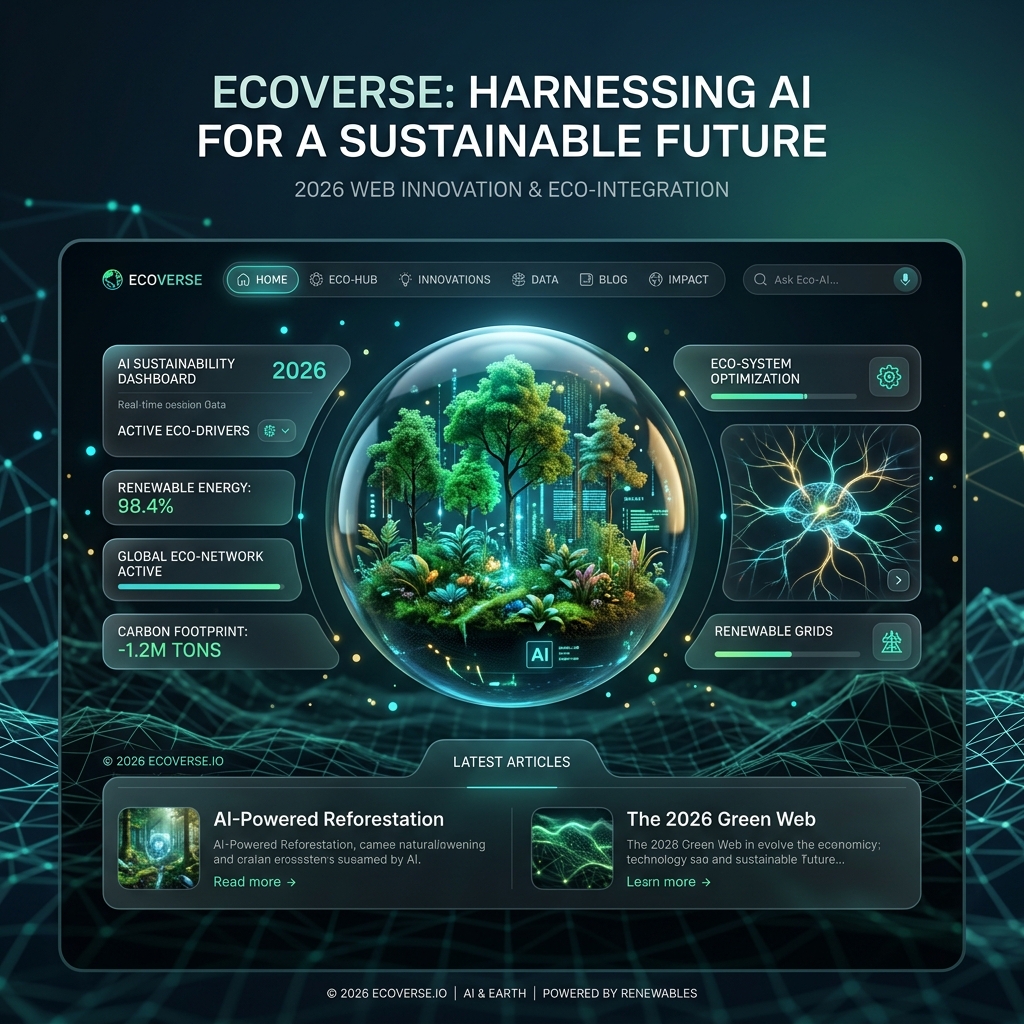
The landscape of web design is constantly evolving, driven by technological advancements, shifting user expectations, and a relentless pursuit of better user experiences. As we step deeper into 2026, the boundaries of what's possible on the web are expanding faster than ever. For businesses looking to maintain a competitive edge, staying ahead of these trends is no longer optional—it's absolutely essential for survival and growth. In this comprehensive, deep-dive guide, we will explore the defining web design trends of 2026 in excruciating detail and outline actionable strategies on how you can leverage them to create engaging, high-converting, and future-proof digital experiences that leave a lasting impression on your audience.
Before we dive into the specific trends, it is crucial to understand the overarching theme of this year: Human-Centric Digital Fluidity. We are moving away from rigid, one-size-fits-all grid systems and rigid templates, and moving towards interfaces that feel organic, intuitive, and almost alive. The goal is to reduce cognitive load while maximizing emotional resonance.
1. The Rise of AI-Driven Dynamic Interfaces
Artificial Intelligence is no longer just a backend utility hidden in the shadows; it has fundamentally transformed frontend user experiences and how designers conceptualize interfaces. In 2026, websites are no longer static canvases that look the same for every visitor. Instead, they are dynamic, intelligent entities that adapt in real-time based on user behavior, preferences, demographic data, and even environmental contexts like the time of day or the user's local weather.
AI-driven interfaces analyze micro-interactions—how long a user hovers over a specific element, their scrolling speed, their mouse trajectory, and their historical interaction patterns. Based on this wealth of data, the website can automatically adjust its layout, color scheme, content prioritization, and even tone of voice.
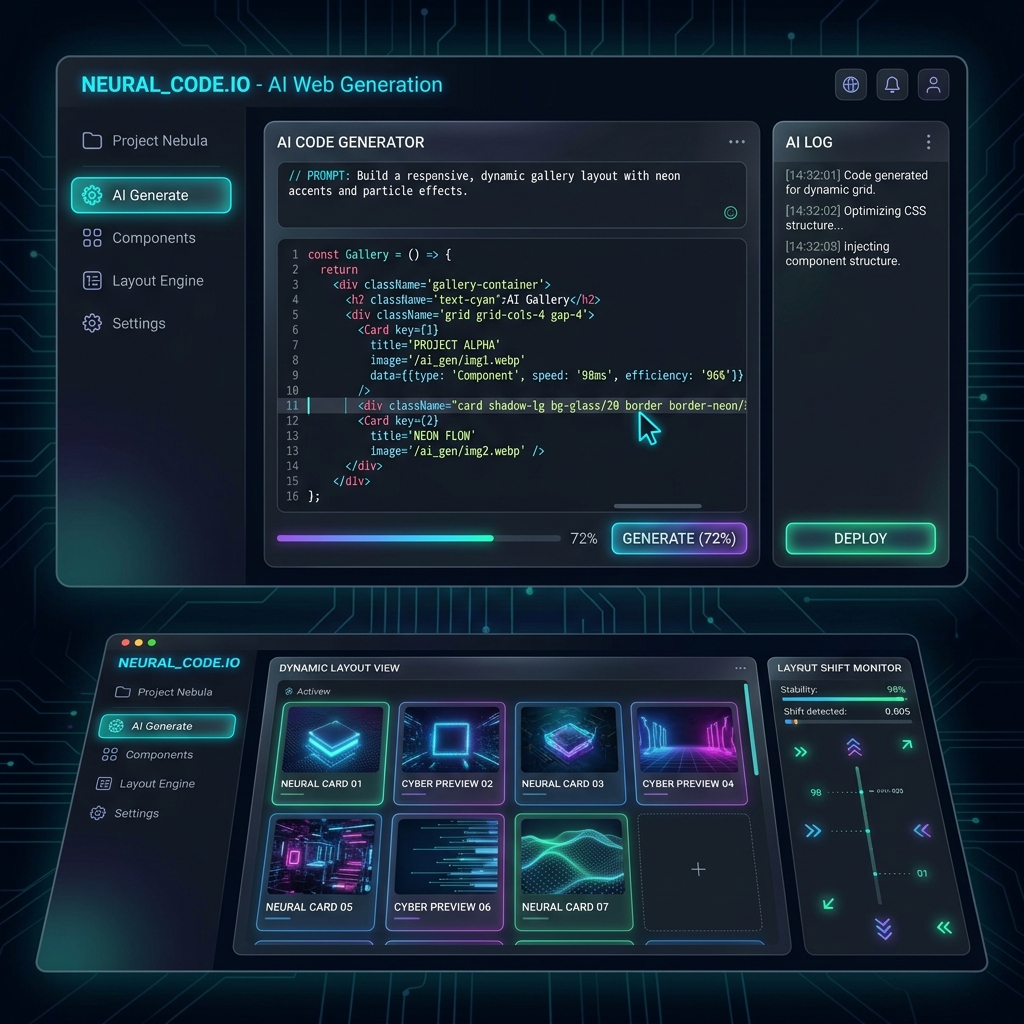
For example, a returning B2B user who frequently reads technical documentation and API specs might see a streamlined, data-heavy dashboard with minimal distractions, while a first-time consumer visitor might be greeted with an engaging, story-driven onboarding experience filled with rich media and interactive tutorials.
This hyper-personalization not only increases engagement rates but also significantly boosts conversion metrics. The key takeaway for designers and developers is the urgent need to create modular, flexible design systems—atomic design principles on steroids—that AI algorithms can seamlessly manipulate without breaking the overall aesthetic coherence or brand guidelines. Designers are now setting rules and boundaries, rather than drawing static pixels.
2. Hyper-Immersive 3D Environments and Spatial Computing
With the maturation of WebGL, WebGPU, and the widespread integration of spatial computing devices (like mixed reality headsets), 3D elements on the web have transitioned from gimmicky hero sections to fully immersive, explorable environments. The distinction between a traditional scrolling website and an interactive digital application is becoming increasingly blurred, paving the way for "Spatial Web Experiences."
E-commerce, in particular, has been revolutionized by this trend. Static product grids are rapidly becoming obsolete. Users can now interact with highly detailed 3D product models in a virtual space, viewing items from every conceivable angle, customizing colors and materials in real-time, and seeing realistic lighting reflections that accurately mimic the physical world.
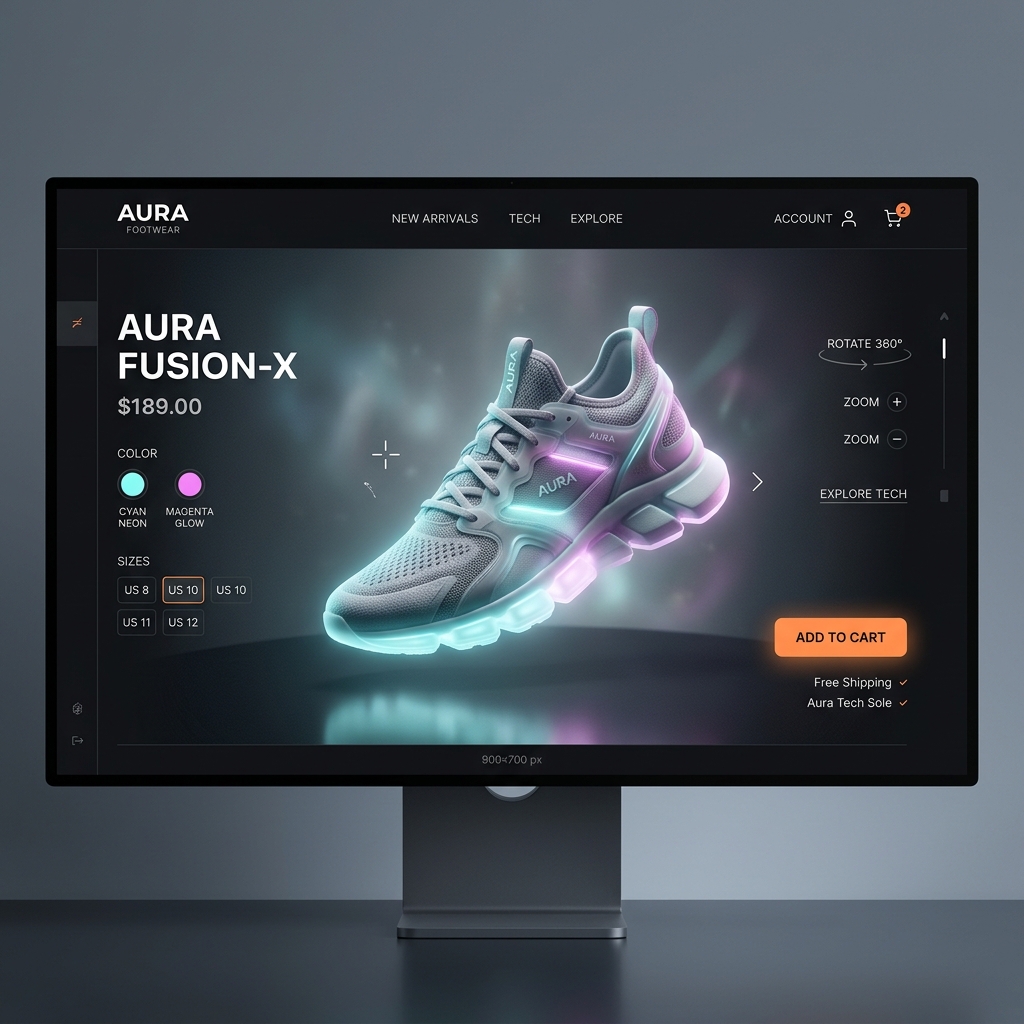
Beyond e-commerce, corporate websites, educational platforms, and service providers are utilizing 3D data visualizations and interactive brand storytelling to captivate their audience. Imagine a real estate website where you don't just view photos, but literally walk through a 3D rendering of the property, opening doors and checking the view from the window.
The primary challenge for web designers in 2026 is balancing these resource-heavy 3D experiences with optimal performance and fast load times. The use of advanced compression algorithms, asynchronous asset loading, lazy rendering, and edge computing ensures that these immersive environments load almost instantly, even on mobile devices over cellular networks. Accessibility also remains a critical consideration; immersive designs must provide alternative, simplified navigation methods for users who rely on assistive technologies or prefer a lower-bandwidth experience.
3. Voice User Interfaces (VUI) and Conversational Navigation
As voice assistants become deeply integrated into our daily lives—present in our phones, homes, cars, and wearables—web design is rapidly adapting to accommodate voice-first navigation paradigms. VUI goes far beyond a simple dictation-based search bar; it allows users to verbally command the website to perform complex actions, filter dense content, or read out specific sections contextually.
Designing for voice requires a fundamental shift in how we structure information architecture. Content must be semantic, highly structured, and easily parsable by natural language processing (NLP) algorithms. We are no longer just designing for the human eye, but also for the machine ear. Microcopy takes on a whole new dimension, as designers must script auditory responses and conversational prompts that guide the user through the voice interface seamlessly, providing character and brand personality through synthesized speech.
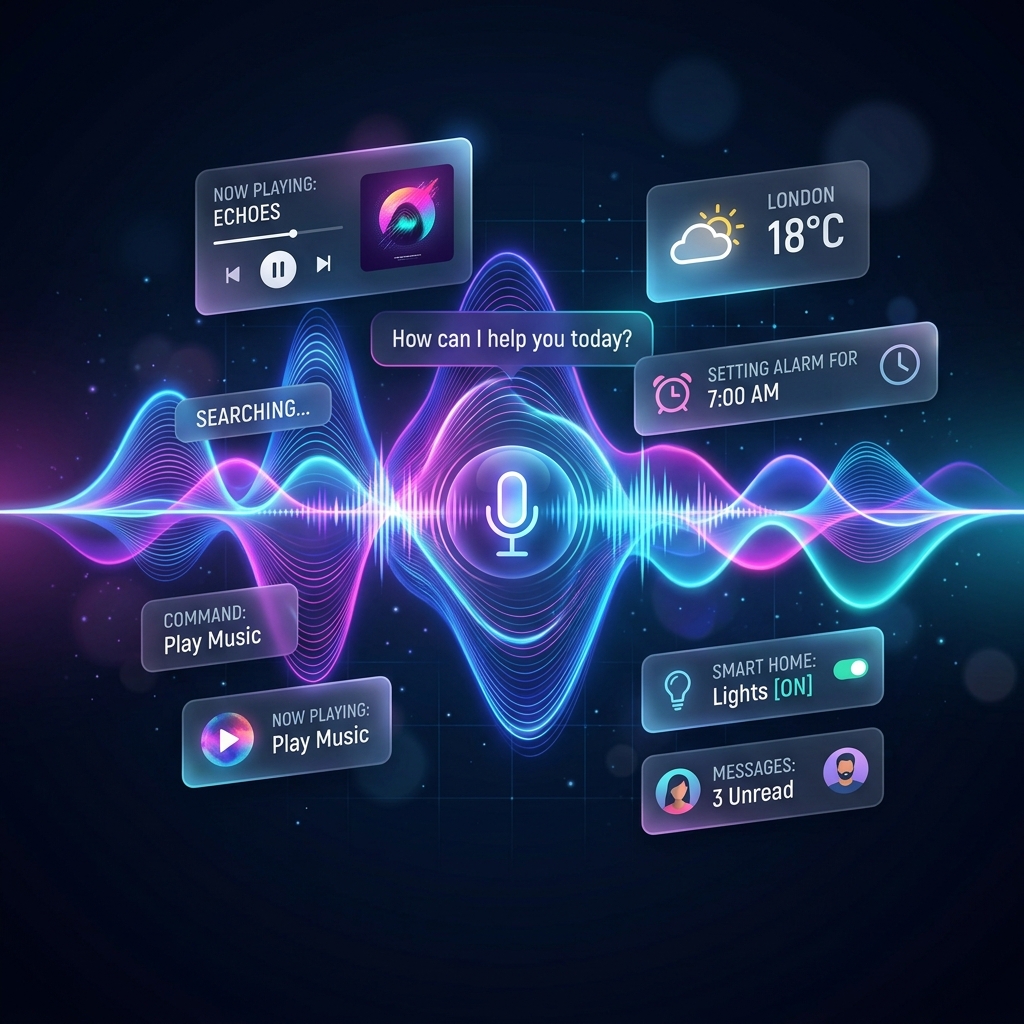
Visual feedback for voice interactions is also critically important. When a user speaks, the interface must provide immediate visual confirmation—like undulating sound waves, subtle color pulses, or dynamic text generation—that it is listening, processing the command, and executing the action. This convergence of audio and visual design creates a more holistic, accessible, and reassuring user experience.
4. Eco-Conscious and Sustainable Web Design
In an era of heightened global environmental awareness, sustainable web design has evolved from a niche movement championed by a few idealists into a mainstream, non-negotiable standard. The internet accounts for a staggering portion of global carbon emissions—surpassing the aviation industry—and businesses are increasingly holding themselves accountable for their digital carbon footprints to align with ESG (Environmental, Social, and Governance) goals.
Sustainable design in 2026 focuses on extreme efficiency and "digital diet" mentalities. This involves several key practices:
- Dark Mode by Default: Utilizing OLED screen technology to reduce energy consumption significantly, as darker pixels require less power to illuminate.
- Optimized Assets: Using next-generation image formats (like AVIF and WebP 2), vector graphics wherever possible, and aggressively minifying code to reduce the amount of data transferred.
- Serverless Architecture and Green Hosting: Leveraging green hosting providers powered by renewable energy, and using edge networks to process data geographically closer to the user, thereby minimizing transmission energy.
- Minimalist Aesthetics: Embracing "digital brutalism" and clean, sparse designs that require significantly less client-side processing power to render.
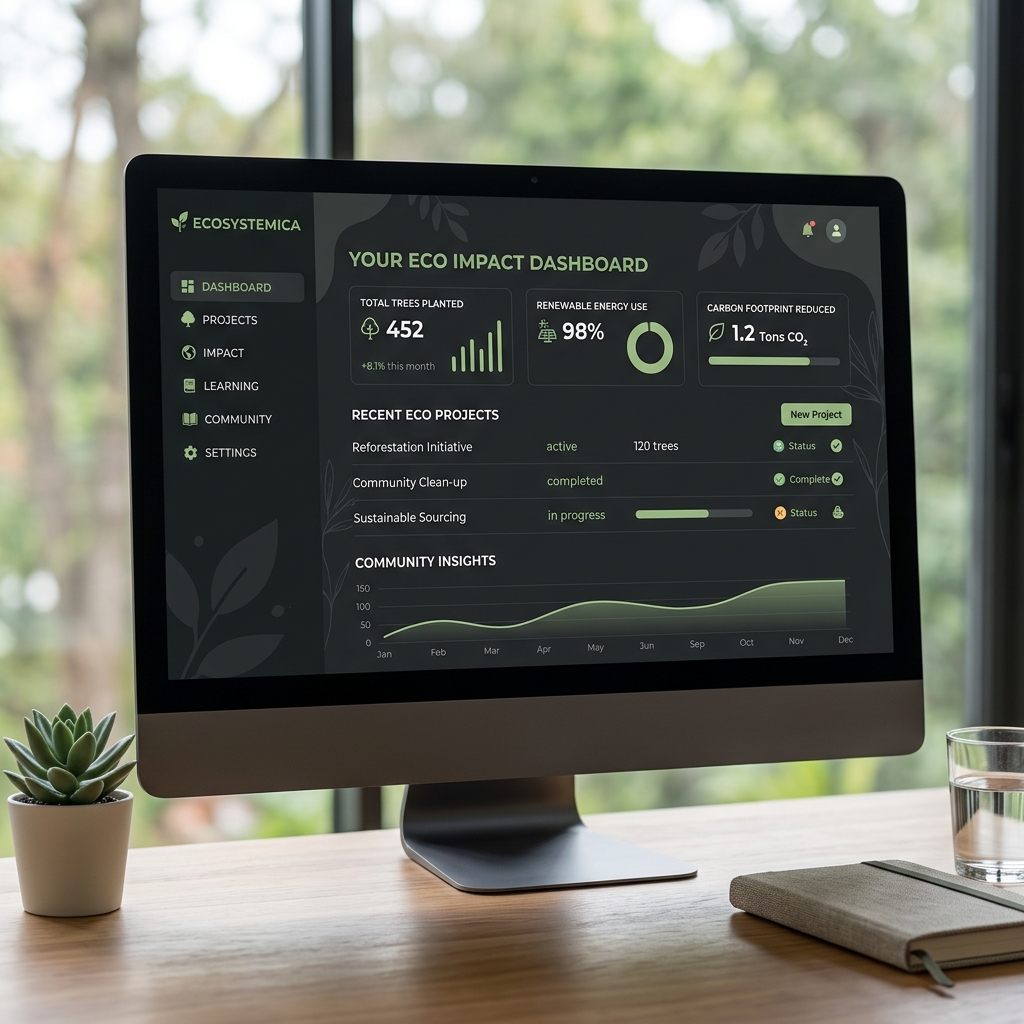
By prioritizing efficiency, sustainable web design creates a win-win scenario: it not only helps the planet by reducing energy consumption but also results in lightning-fast load times. We all know that speed directly correlates with improved SEO rankings, lower bounce rates, and higher user retention.
5. Advanced Micro-Interactions and Tactile Feedback
Micro-interactions are the subtle, single-purpose animations that provide feedback and delight users. They are the digital equivalents of a satisfying click when closing a well-made door. In 2026, these interactions have become highly sophisticated, integrating haptic feedback APIs on supported mobile devices to create a truly tactile browsing experience.
Whether it's the satisfying physical vibration of a toggle switch snapping into place, the subtle, physics-based expansion of a button on hover, or a fluid page transition that perfectly mimics the friction of turning a physical magazine page, these meticulously crafted details bridge the gap between the cold digital screen and the warm physical world.
The current focus is intensely on "meaningful motion." Animations are no longer used just for frivolous decoration; they serve a distinct functional purpose. They guide the user's eye to critical information, explain a complex multi-step process intuitively without words, or mask system loading times. Careful orchestration of these micro-interactions is often what elevates a merely "good" design into an exceptional, premium, and memorable one.
6. The Resurgence of Typography as the Hero Element
With the push towards faster load times, sustainable design, and minimalist aesthetics, designers are leaning heavily on typography to carry the entire visual weight and brand personality of a website. In 2026, we are seeing bold, experimental, and kinetic typography completely dominating hero sections, replacing traditional stock photos and heavy background videos.
Variable fonts have become the absolute standard, allowing designers to manipulate weight, width, slant, and even optical size fluidly based on viewport dimensions or user interaction, all from a single, lightweight font file. Kinetic typography—where text animates, shifts, warps, and responds to scroll events or mouse movements—adds a layer of dynamic, visceral energy without the massive performance overhead associated with large media files.
Combining high-contrast colors with oversized, uniquely styled, or even custom-built fonts allows brands to make a strong, immediate, and unforgettable statement. The stark interplay between massive typography and deliberate negative space creates a sense of luxury, confidence, and editorial elegance that resonates strongly with sophisticated modern audiences who are tired of visual clutter.
7. Designing for the Foldable and Multi-Screen Future
As hardware manufacturers continue to push the boundaries of form factors—introducing foldable phones, dual-screen laptops, and rollable displays—web designers are facing a new paradigm of responsive design. It's no longer just about "mobile" vs "desktop". It's about designing interfaces that can seamlessly transition, unfold, and adapt across dramatically changing screen real estates within a single session.
In 2026, CSS Container Queries and advanced grid systems are standard practice, allowing components to adapt to their immediate container rather than just the viewport. This means a product card will look completely different if it's placed in a narrow sidebar versus spanning across a wide, unfolded dual-screen display. Designing for these flexible states requires a deep understanding of component-driven architecture and a departure from fixed-width mentalities.
Conclusion: Designing for the Future
As we navigate through the complexities of 2026, the definition of a successful web designer has fundamentally changed. Today, a web designer is part artist, part data scientist, part environmentalist, and part psychologist. The trends highlighted above—from AI-driven, hyper-personalized interfaces and immersive 3D spatial environments to voice navigation, sustainability, tactile micro-interactions, and bold typography—are not isolated, fleeting phenomena.
They are deeply interconnected facets of a broader, unstoppable movement towards a web that is more personal, more accessible, more ethical, and exponentially more engaging than ever before. The future of web design is not just about making things look pretty; it's about solving complex human problems through elegant, efficient, and intelligent digital interfaces.
By embracing these trends, investing in continuous learning, and consistently prioritizing user-centric principles above all else, forward-thinking businesses and designers can build digital experiences that not only meet the lofty expectations of today's users but also anticipate the evolving needs of tomorrow's digital landscape. The future is dynamic, and the web must rise to meet it.